
Why I Don’t Submit to Contributor-Funded “Publications”
Let me preface by saying the images in this blog post were submitted without my permission.
A note for models and photographers who want leverage—not applause.
If you’re a model or a photographer, you’ve seen the messages.
“Congratulations, you’ve been selected.”
“We love your work.”
“Submit now.”
“Cover opportunity available.”
And then, quietly, the real requirement appears: payment for prime spots.
Let’s be precise: a lot of these “publications” are contributor-funded. They don’t survive on readers. They survive on creators’ submissions, feature fees, upgrades, and print purchases.
That model isn’t automatically criminal. But it is predictable. And because it’s predictable, I choose not to play the game.
Not because I’m above it. Because I’m disciplined about what actually moves careers.
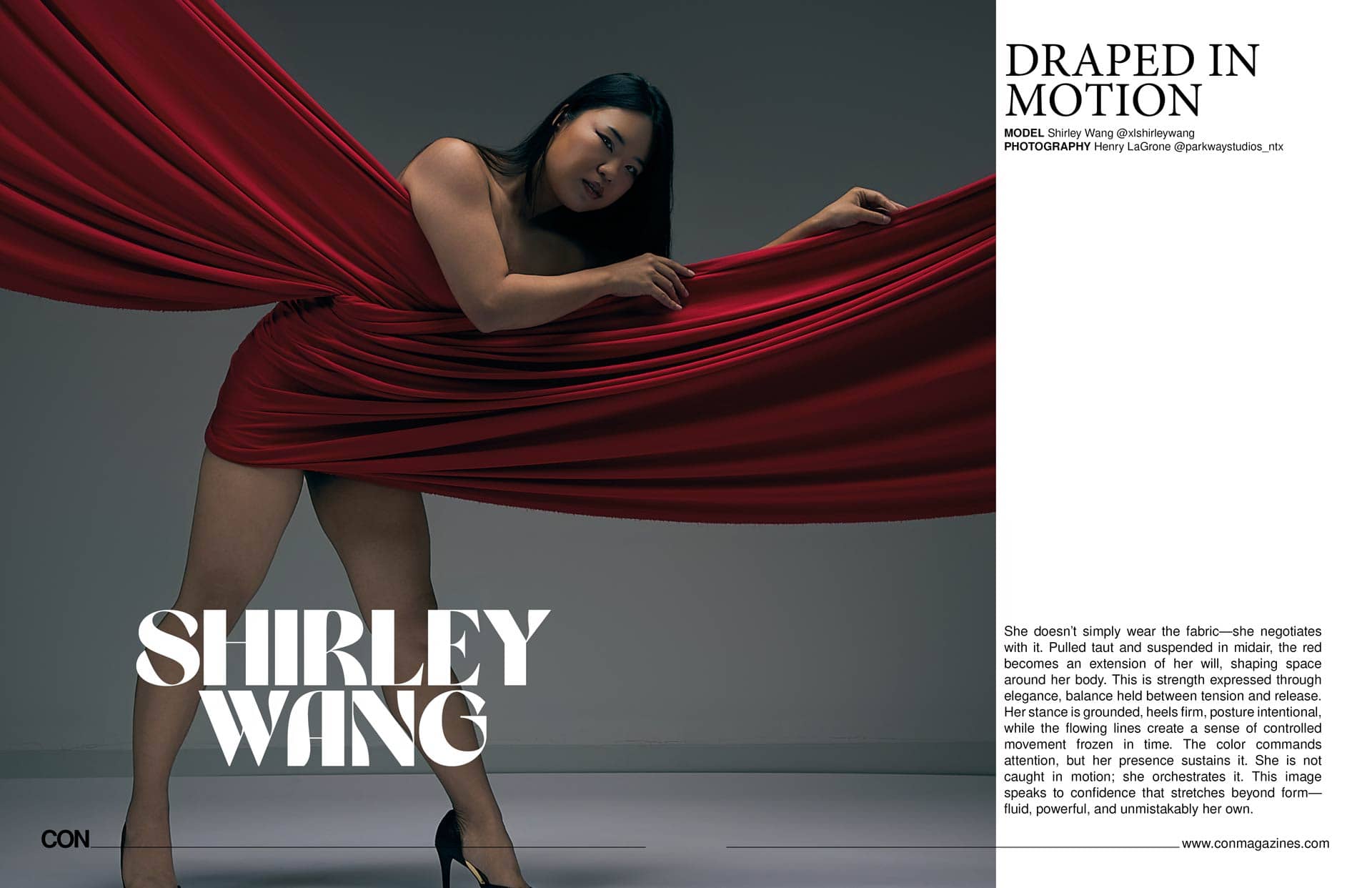
The harsh truth: Our industry doesn’t reward trophies. It rewards proof.
Models: agencies and casting directors aren’t sitting around impressed by a logo on a digital cover. They care about:
- strong digitals and a clean book
- range that matches real work (commercial, beauty, lifestyle, editorial)
- consistent face and body lines across sets
- professionalism: punctual, prepared, easy to work with (your reputation)
- images that look like they belong in a campaign, not just a IG or Facebook feed
Photographers: art buyers and brands aren’t booking you because you bought a page. They care about:
- concept strength and consistency
- execution across a full set (not one lucky frame)
- reliability, turnaround, and problem-solving
- portfolio cohesion and production value
- proof you can deliver under real constraints
A contributor-funded feature can feel like momentum. But if it doesn’t create measurable industry outcomes, it’s just decorative validation.
And you can’t build careers on decoration.
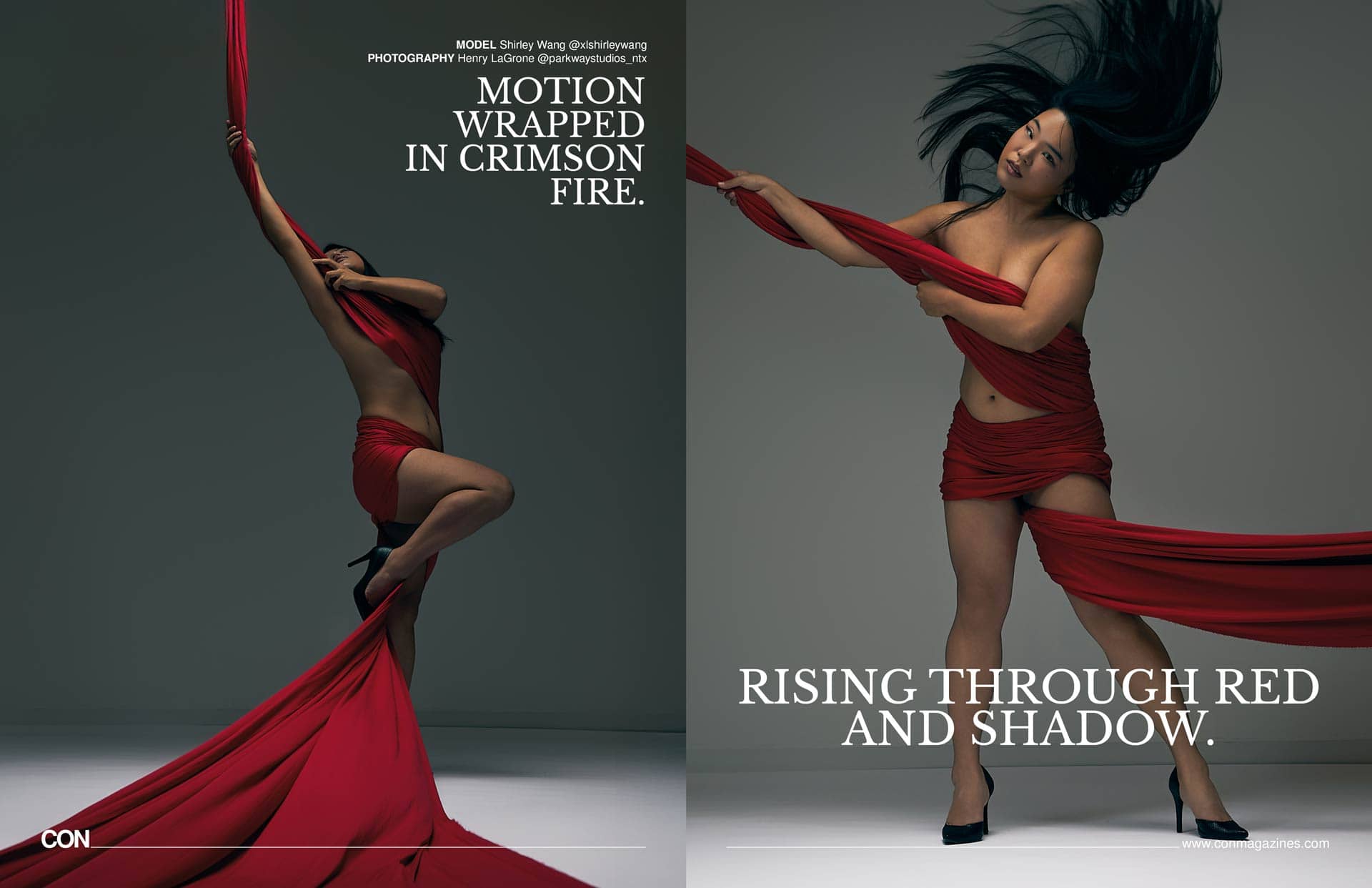
What “Contributor-Funded” Signals (and why it matters)
When the publication’s main customer is the creator, the incentive is simple:
accept more people and sell the upgrades back to the contributor.
That leads to patterns you can spot from a mile away:
- “Selected” language sent to everyone
- guaranteed publication
- cover placement as an upsell
- “priority review” tiers
- pressure to buy prints
- vague claims about “global reach” without receipts
Again: not illegal. Just incentive-driven. The system is designed to monetize your ambition.
So my rule is ruthless:
If the platform profits primarily from my need to be seen, it’s not a platform, it’s a vending machine.
Why I Choose Not to Submit (Models + Photographers, Read This Twice)
1) It trains you to chase permission instead of building proof
The worst habit in creative work is outsourcing your worth to a gate that charges a fee.
If you need someone to stamp you “approved,” you’ll keep paying for stamps.
I’d rather build a body of work so undeniable that approval becomes irrelevant.
2) It blurs the signal in your portfolio
Models: a “published” credit can distract you from the real question, does your book look bookable?
Photographers: stacking low-signal features makes your brand look like it’s trying to compensate.
A strong portfolio doesn’t need trophies. It needs coherence and intent.
3) The money is better spent on assets that compound
For models:
- updated digitals that actually match agency standards
- a tight test shoot plan with real variety
- grooming, wardrobe, and consistent presentation
For photographers:
- a concept series with a real team
- portfolio refresh that targets your buyer/audience
- paid ads to a landing page that converts
- production elements that elevate the work
Contributor-funded placements don’t compound unless you turn them into a campaign. Most people don’t. They post, they tag, they move on. Nothing changes.
4) It creates fake “status” and real confusion
A lot of newcomers think ”Being Published” means industry recognition. Often it doesn’t.
It means you bought access to a template.
I don’t want my clients, collaborators, or models measuring their progress with fake milestones.
I want them measuring progress with outcomes:
- castings
- bookings
- agency meetings
- paid campaigns
- repeat clients
- referrals from serious people
But let’s be fair: when it can be useful
If you treat it as a personal milestone or a print artifact, fine.
If you treat it as a content engine and you have a rollout plan, it can be a tool.
Just don’t confuse “published” with “chosen by the market.”
One is a receipt.
The other is power.
The Parkway Standard: How to Vet a Publication (Fast)
Before you submit, ask for proof, not praise.
A) Distribution
Where can people actually buy or read it? How many copies? What channels?
B) Audience metrics
Website traffic, email list size, open rates, and social reach with link clicks.
C) Editorial standards
Do they reject? Do they curate? Or do they accept volume?
D) Reputation
Who runs it? Are there credible editors? Any real advertisers/partners?
E) Rights
What usage are you granting? For how long?
No proof = no deal.
CTA (straight, no fluff)
If you’re a model or photographer thinking about submitting to a contributor-funded publication, don’t guess.
Book a consult with Parkway Studios. We’ll look at the publication, your current portfolio, and your next best move—and I’ll tell you straight whether it’s a flex or a leak.
Rapid-Fire FAQ
Is it “bad” to submit?
No. It’s bad to believe it equals industry validation.
Will agencies care that I’m “published”?
Not as much as they care about digitals, range, and book quality.
What should I spend that money on instead?
Assets that compound: stronger book, better concepts, targeted testing, real marketing.
How do I know if a publication is legit?
Proof of distribution, proof of audience, visible curation, and clear rights terms.
What’s the best use if I do submit?
Turn it into a campaign with a landing page, BTS, and a clear outcome goal, not a single post.